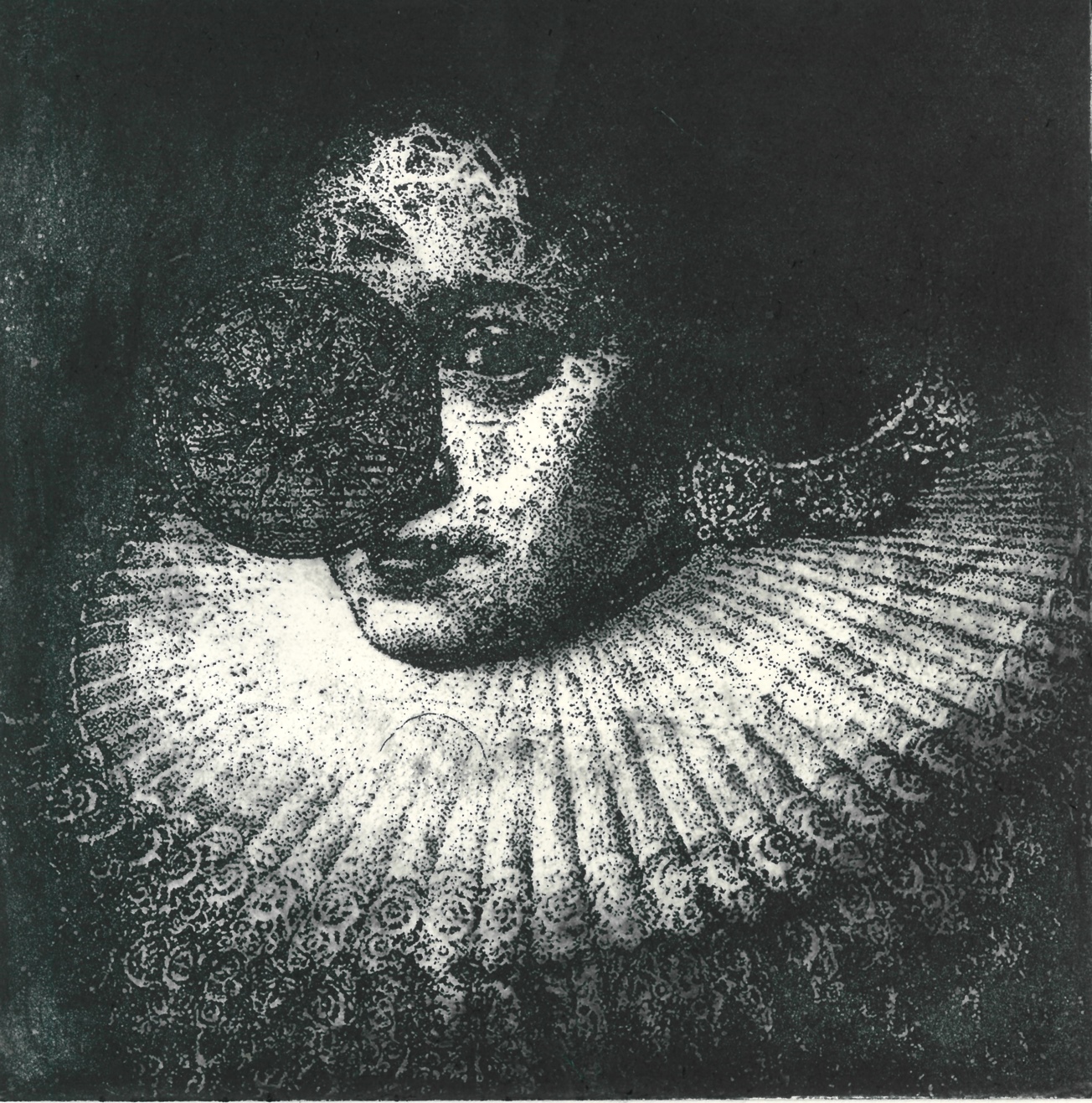

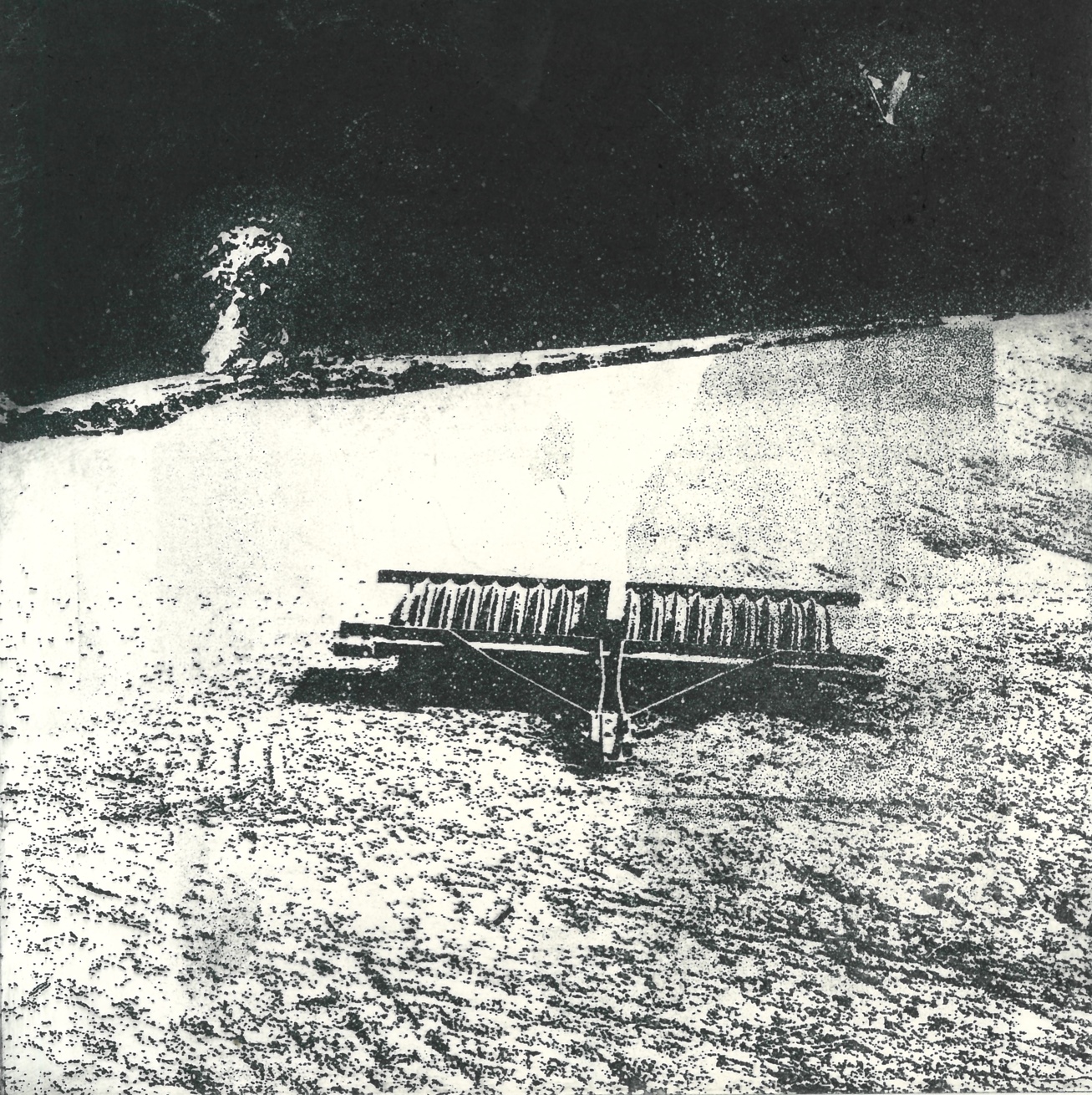
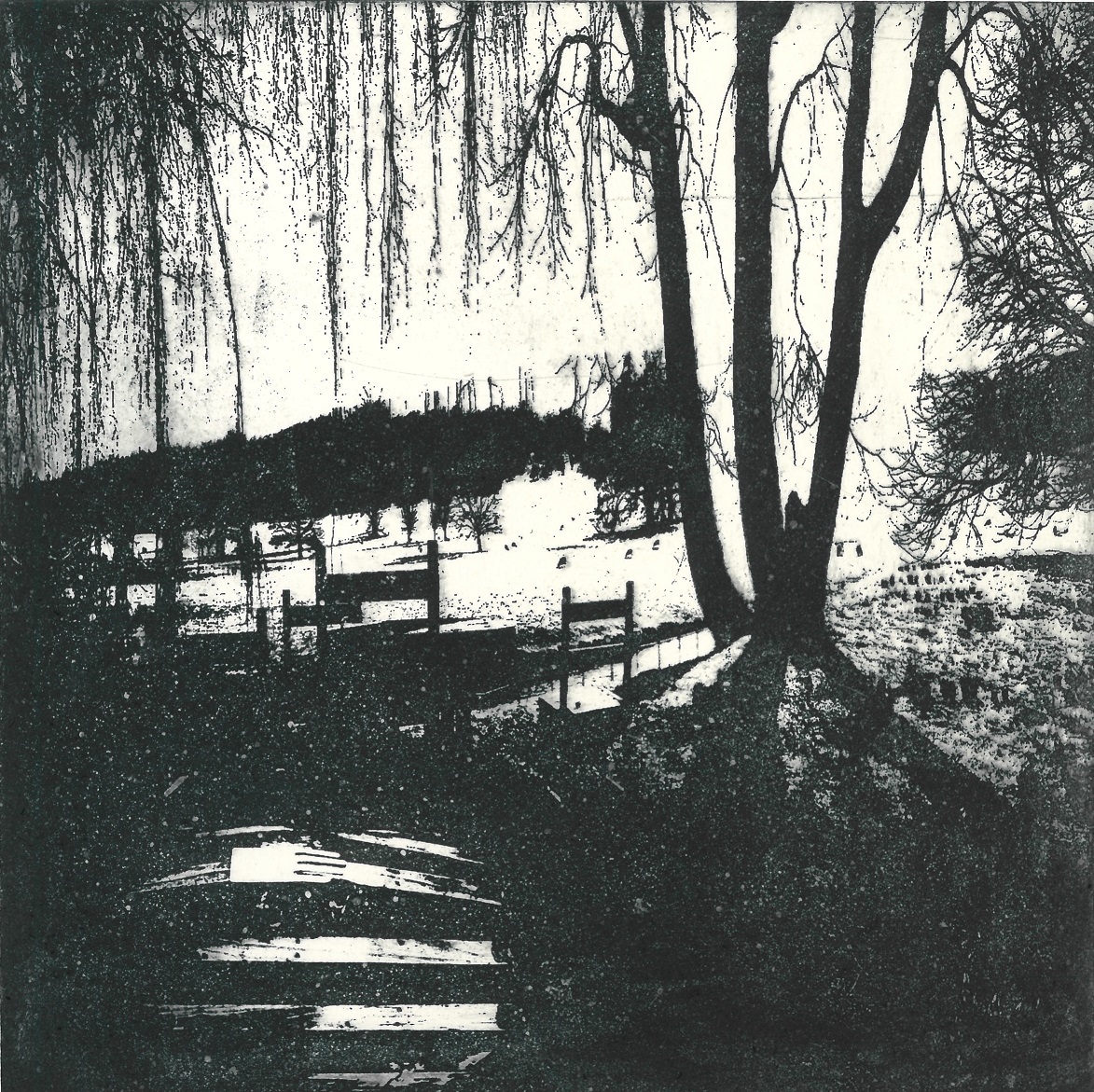

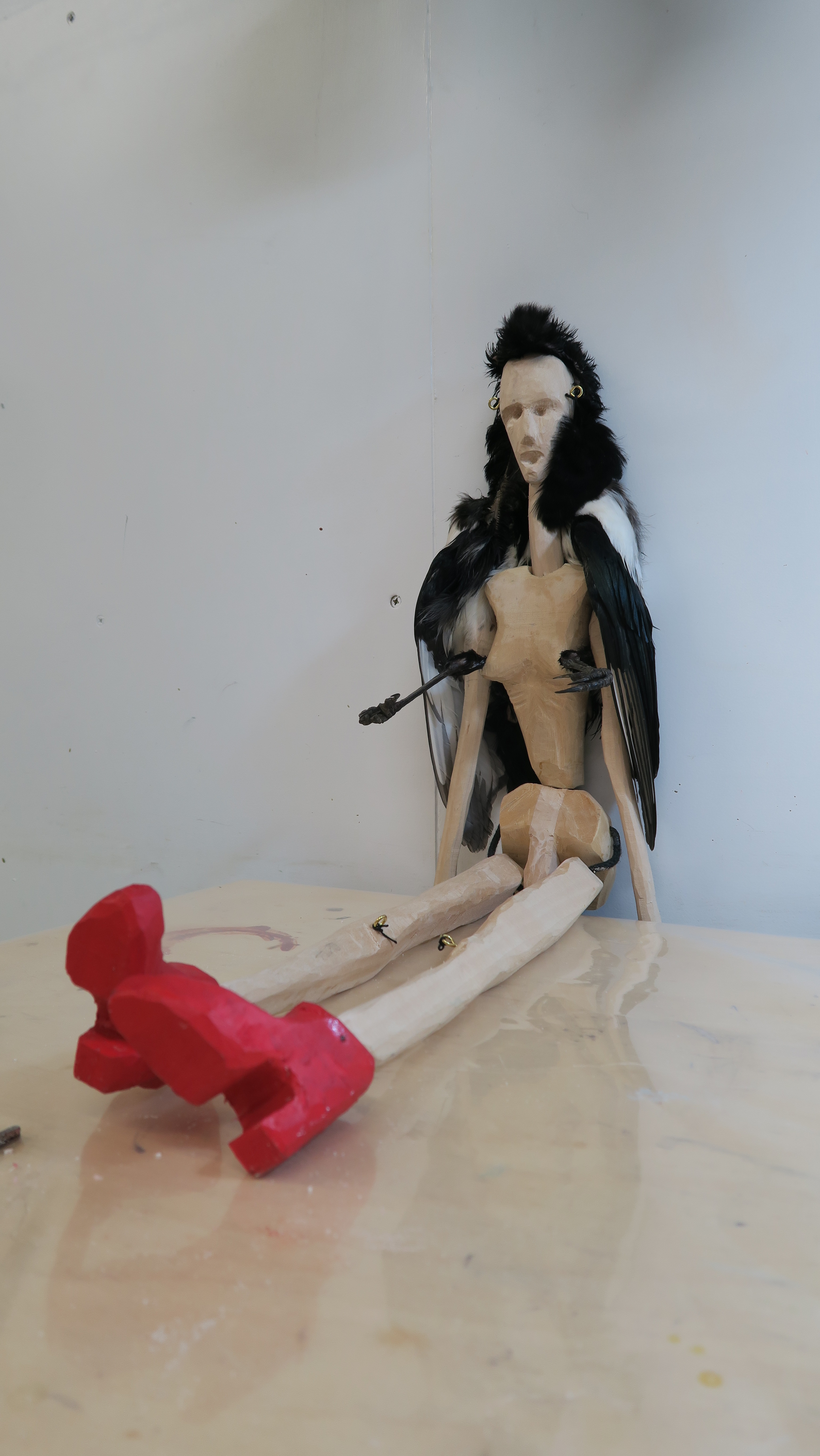







The work references Oresteia, by Aeschylus (458 BC), in which Agamemnon sacrifices his daughter, Iphigenia, in order win the Trojan wars. At the end of the trilogy, western justice and democracy are established in the exclusive hands of high-born male citizens. This oneiric work draws on the imagined dreams, lost hopes and intentions of the ill-served Iphigenia and all outsiders denied the rights of citizenship.
 Sarah Cliff